Camel Mammals Animal Illustration: A Designer's Resource for Versatile Projects
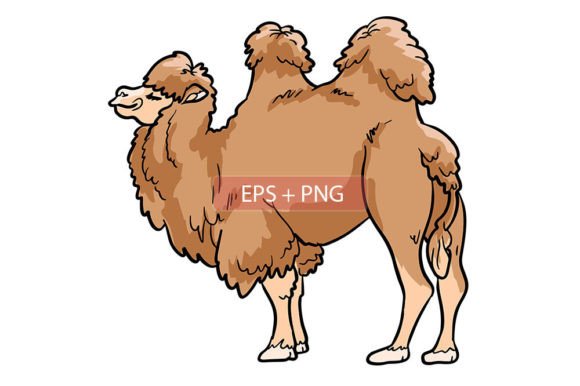
Finding the right visual asset can often feel like searching for a specific grain of sand in a desert. You need something that is both distinctive and adaptable, professional yet full of character. This is where a high-quality Camel Mammals Animal Illustration comes into play. It's more than just a picture of an animal; it's a versatile design component that can anchor a variety of creative projects. The package in question, which includes both a high-resolution PNG and a scalable vector EPS file, is built for practical application. It’s a design asset ready for the rigors of professional work, from a small sticker to a large-format print. The illustration itself typically presents the camel with a friendly, approachable demeanor, making it an excellent choice for projects targeting a broad audience, including educational materials, branding for family-oriented businesses, and engaging content for social media.
Understanding the Visual Appeal and Style
The core strength of this particular camel illustration lies in its balanced style. It avoids being overly simplistic, which can look cheap, and overly complex, which can become cluttered at smaller sizes. Instead, it hits a sweet spot with clean lines, a warm color palette, and a subtle sense of personality. You'll notice the gentle curve of the neck, the textured suggestion of fur without being overly detailed, and an expression that conveys a calm, dependable nature. This isn't a hyper-realistic rendering; it's a stylized character designed for clarity and immediate recognition. This style is incredibly effective in modern typography and graphic design because it communicates an idea efficiently. It functions much like a well-designed display font—it grabs attention and sets a mood without overwhelming the rest of your design. The included vector file (EPS) is the true workhorse here. It allows you to scale the illustration to any dimension, from a tiny favicon on a website to a massive banner, all while maintaining perfect, crisp lines. This scalability is a non-negotiable feature for any serious design asset.
Strategic Applications Across Different Media
Knowing where to deploy an asset is just as important as having it. A Camel Mammals Animal Illustration finds a natural home in a surprising number of contexts. For entrepreneurs and small business owners building a brand identity, this illustration can become a memorable mascot. Imagine it on packaging for a specialty tea brand, a logo for a travel blog, or the hero image for a sustainable goods company. Its friendly nature builds trust and approachability, which is a cornerstone of effective branding.
In the realm of editorial design and publishing, the camel serves as a perfect spot illustration for articles about geography, history, culture, or even business resilience (the "ship of the desert" metaphor). It adds visual interest to a page of text without distracting from the content. For web design and social media graphics, the illustration can be used to break up text, guide the user's eye, or create engaging infographic elements. Its distinct shape makes it easily recognizable even in a crowded social feed. Furthermore, for crafters and hobbyists, the high-resolution pre-rendered PNG file is ideal for creating custom stickers, t-shirt designs, or educational posters for a classroom or homeschool setting. The possibilities extend to packaging design, where a charming camel can add a touch of whimsy and storytelling to a product.
Ensuring Cohesion and Professionalism
Integrating an illustration into a project requires more than just placing it on a canvas. To truly elevate your work, consider how it interacts with your other design elements, particularly your typography. A successful font pairing is crucial. If your camel illustration has a soft, rounded style, pairing it with a friendly sans serif font or a gentle script font can create a cohesive and welcoming feel. For a more sophisticated look, a clean serif font can provide a beautiful contrast. Think of the illustration as another voice in your design's conversation; it should complement your chosen typeface, not fight with it. This thoughtful approach is what separates amateur work from professional design. It demonstrates an understanding of visual hierarchy and consistency, which directly impacts how your audience perceives your brand's professionalism and attention to detail.
A Practical Guide for Implementation
Before you commit to using this or any premium font or illustration, a quick evaluation is always wise. First, consider the project's tone. Does the friendly, illustrative style of the camel match the message you want to convey? It's perfect for approachable and creative projects but might not be the right fit for a stark, minimalist, or ultra-corporate brand. Next, test its scalability. Open the vector file (EPS) in your preferred design software and resize it. Does it hold its integrity? Check the lines and shapes at both very small and very large sizes.
Also, review the file package. The inclusion of a 4mp Hi-Res PNG is excellent for digital use and certain print applications, while the EPS vector is essential for professional printing and resizing. Always check the commercial font and asset licensing to ensure it covers your intended use, whether for a personal blog or a commercial product line. Finally, experiment with placement. Don't just stick it in the center. Try using it as a background element with reduced opacity, as part of a border, or integrated into a letterform in a logo design. The goal is to use the Camel Mammals Animal Illustration not just as a decoration, but as a functional component that enhances your overall design and helps you connect with your audience more effectively. It's a versatile tool, and with a bit of strategic thinking, it can add significant value to your creative toolkit.